Cutworm Overview
Coming from the Noctuidae family, many species of cutworm are common in greenhouses and garden beds in the United States and Canada. Their host plants include corn, tobacco, broccoli, beets, cotton, cauliflower, and different kinds of weeds. They feed by chewing the plant stem just above the ground and eventually cut them – exactly what their name means. Cutworms live 2 inches above the soil and are most active at night. These hidden pests can cause sudden, widespread damage to young plants and seedlings, often before the problem is noticed. Early detection and timely treatment are key to preventing major loss in lawns and garden beds.
Cutworms commonly attack young plants like corn, tobacco, broccoli, beets, cotton, cauliflower, and even weeds. They chew through stems near the soil, which can quickly damage or kill seedlings in gardens and greenhouses.
Cutworms are most active at night and usually stay hidden just above the soil during the day. Because they live close to the ground, their damage often goes unnoticed until plants suddenly begin to wilt or fall over.
Call (561) 260 9411 or contact us online to request your free quote
Get A QuoteMost Common Cutworm Species in Florida
Cutworm Behavior and Appearance
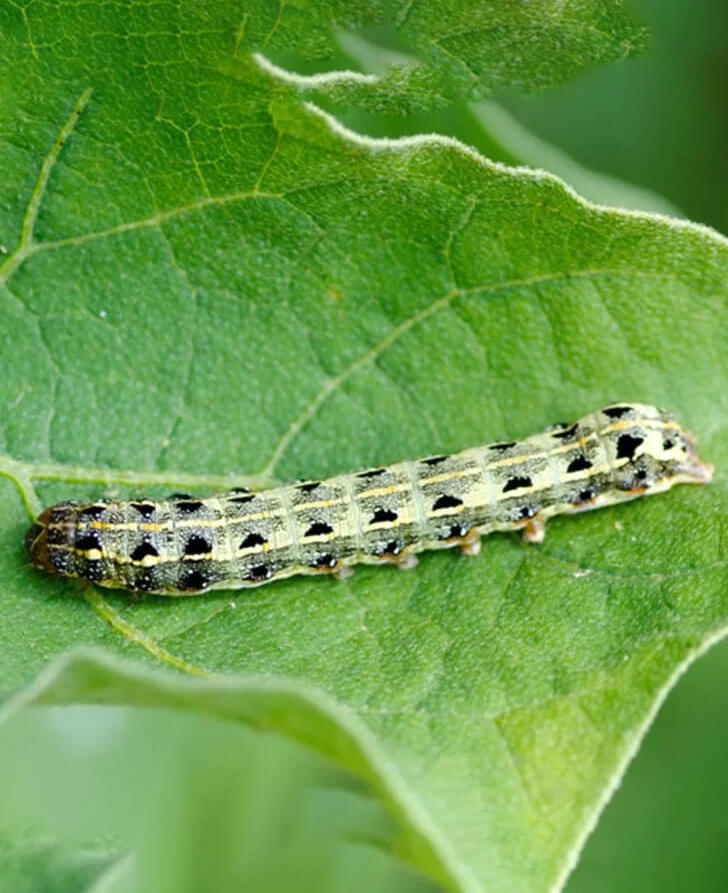
Cutworm is a larva of a large number of moth species. They have a soft body, greyish or dark brown in color, and measure 1-2 inches long. Similar to grubs, this pest also curled up when disturbed. They eat at night and bury themselves in the soil during the day. Some species also appear pink, green, and black with spots or stripes as well. Adult cutworms are moths with a 1 1/2 inch body length and a 1 1/2 inch wing length. They are usually grey or black, ragged, smudged stripes on their wings. Moths do not cause injury to plants, but are responsible for starting the life cycle of cutworms.
Cutworms are soft-bodied larvae that are usually greyish or dark brown and about 1–2 inches long. Some species can be pink, green, or black with spots or stripes, and they curl up when disturbed.
Cutworms feed at night and hide in the soil during the day. Adult cutworms are moths that don’t damage plants, but start the life cycle by laying eggs that later become cutworms.
Main Service Areas For Cutworm Treatments
Yes, cutworm control services are available in Boca Raton, West Palm Beach, and several nearby areas, including Boynton Beach, Lake Worth, Palm Beach Gardens, and Palm Beach.
Cutworm treatment services are provided in Fort Lauderdale and surrounding locations such as Coral Springs, Pompano Beach, Coconut Creek, and Riviera Beach, along with multiple service areas across Palm Beach County.
Understanding the Cutworm Life Cycle
The life cycle of a cutworm begins when the adult moth lays the eggs on grass or another green plant, like weeds, in the fall. When larvae hatch, they spend the winter deep in the soil or under decaying leaves in the garden. As the temperature gets warmer in the spring, larvae get hungry and will start feeding on the host plant at night and stay unseen during the day. They will go through several molts before becoming pupae. After approximately a week, moths emerge, and the cycle starts again. The first generation of cutworms during the spring is the most destructive. Depending on the species, 1-5 generations may occur yearly.
Cutworm Damage and Prevention Methods
Young plants are likely to be attacked by cutworms. They begin chewing the seedling stems near the surface of the soil and will even cut and destroy the plant. Many times, an entire row of newly planted vegetable crops will be cut off overnight, but this may depend on how severe the infestation is. Once the bottom part of the plant is damaged, the top will die in the long run. Similar to their cousin armyworms, cutworms are also capable of damaging the turf of an entire golf course field, leaving large brown patches.
Because this damage can happen quickly and often goes unnoticed, early action is important to limit the spread. Here are a few ideas to control the number of cutworms in your house garden: tilting the soil in spring and fall to reveal the pests, placing toothpicks near the plant stem so the cutworm will not be able to attach itself to the stem to feed, hand-picking the worms while wearing gloves at night and dropping them in a bucket of soapy water, applying a natural pesticide, or calling your local pest control professional for expert advice and long-term prevention.
How Fleming LPS Treats Cutworm Infestations
Fleming LPS takes a targeted, lawn-safe approach to managing cutworm problems, focusing on long-term protection rather than quick, temporary fixes. Our team begins with a careful inspection to identify active areas, feeding patterns, and conditions that attract cutworms. Based on these findings, we design customized cutworm control services that address both the existing infestation and the factors causing repeat activity.
Using proven cutworm pest control methods, our technicians apply precise treatments to affected areas of your lawn, garden beds, and landscaped spaces, ensuring minimal disruption to your property. As cutworm control experts, we also provide practical guidance on reducing moisture, shelter, and food sources that allow these pests to thrive. Our cutworm treatment plans are tailored for lasting results, helping protect your plants and turf from further damage. Contact us today to schedule an inspection and get reliable cutworm control tailored to your lawn and landscape.
Talk to Our Cutworm Control Experts
Connect with our cutworm control experts for reliable guidance, tailored treatment plans, and practical advice to protect your lawn and garden from ongoing cutworm damage. Contact us today to schedule your inspection.
Call (561) 260 9411
or contact us online to request your free quote
Need cutworm control?
Request a free, no-obligation quote.